
National Pet Month is a chance to celebrate the bond between people and their pets which is something that runs deep in the United Kingdom (UK). With around 13.5 million dogs, 12 million cats, and millions more birds, reptiles and small animals living in our homes, we are undeniably a nation of pet lovers.
That love, however, is also what the illegal pet trade exploits. Behind emotive stories and glossy images online, animals are moved for profit, often with little regard for animal welfare, biosecurity or public health. When legislation to crack down on puppy smuggling received Royal Assent in December 2025, it rightly made headlines but for those on the frontline, the real story began more than a decade ago and is still unfolding.
Beyond the headlines: years of frontline work

Behind the headlines are years of teamwork between the Animal and Plant Health Agency (APHA) and Dogs Trust, working side‑by‑side to tackle one of the most persistent trades affecting the UK’s borders.
Organised networks exploit pet travel rules to move very young, unvaccinated animals across Europe, often travelling for days with falsified paperwork designed to disguise their origins. In doing so, those behind the trade seek to avoid stricter health and welfare requirements intended to protect animal welfare and safeguard the UK from serious diseases such as rabies.
A partnership protecting animals at the border
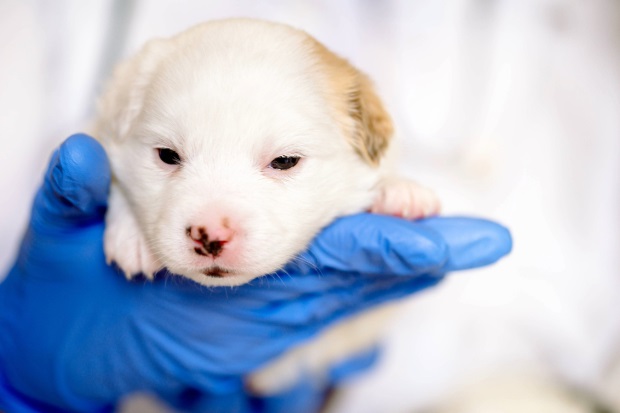
APHA colleagues identify and intercept suspicious movements at the border, while Dogs Trust step in with specialist care: from age assessments and urgent veterinary treatment to pregnancy scans, emergency transport and ongoing support. Many of the puppies encountered are heartbreakingly young. Dogs Trust bring expertise and capacity that sit alongside APHA’s regulatory responsibilities, allowing vulnerable animals to be protected quickly while enforcement action continues.
How the trade adapts and the harm it causes
As scrutiny around puppy imports has increased, the networks behind the trade have adapted. Rather than transporting very young puppies, those organising these movements have turned to other tactics designed to reduce the risk of challenge.
In some cases, animals are moved from high‑rabies‑risk countries such as China, Serbia, Ukraine or Turkey using paid ‘pet nannies’, and routed through compromised certification systems to present them as European Union (EU) pets.
In other cases, heavily pregnant dogs are transported late enough in gestation to reduce the likelihood of detection, with some giving birth just days after arrival. The intention is clear - to present the puppies as home‑bred and sell them on to unsuspecting buyers, allowing the cycle of exploitation to continue.
The impact for animals and owners
Puppies and dogs intercepted at the border are often unwell, injured, or suffering unnecessary distress after long journeys in poor conditions.
For families who believed they were buying a healthy, responsibly sourced pet, a fraudulent import can bring significant emotional and financial consequences, often including mandatory and costly quarantine, leaving owners facing challenges they were not prepared for. Poor early care and lack of socialisation may also contribute to longer‑term health and behavioural issues.
Recognising the people behind the partnership
Behind the work to disrupt this trade are people across both organisations committed to protecting animals and safeguarding the border.
Adam Levy, Dogs Trust – Head of Rehoming Operations, said:
“I am tremendously proud of the work we have done alongside APHA to tackle this awful trade. Whilst we have witnessed countless examples of suffering animals along the way, the fact that we have managed to provide a lifeline for nearly 3,500 dogs to be able to go on and lead happy lives is something for us all to be very proud of.
There may still be a way to go before we see an end to this trade, but the introduction of this new legislation is a real positive step in the right direction that has been built off the back of the strong collaboration between our two organisations over the years.”
Gail Camp, APHA Border Controls Team Leader, said:
“Our collaboration with Dogs Trust ensures that dogs intercepted at the port, especially vulnerable or pregnant illegally imported animals receive the highest standards of welfare and specialist care.
By drawing on Dogs Trust’s dedicated expertise and their capacity to provide safe, compassionate and, where needed, lifelong care, APHA staff can focus fully on delivering effective enforcement and regulatory responsibilities. This partnership enables us to uphold animal health legislation with confidence, knowing the dogs are receiving the best possible support from an experienced and trusted charity.”
Thinking carefully before looking for a new pet
It is right to recognise the people and partnerships working every day to protect animals at the border and disrupt this cruel trade.
It is also a moment to pause before buying a pet, particularly from overseas. The reality behind some online adverts is rarely what it appears. Knowing the rules helps protect animal and public health, avoid unexpected costs and challenges, and reduce the demand that fuels this exploitative trade.
1 comment
Comment by Peter Drake posted on
Thank you for submitting this article. There are some extremely important points made within it.
Peter Drake teacher Hexham Northumberland