
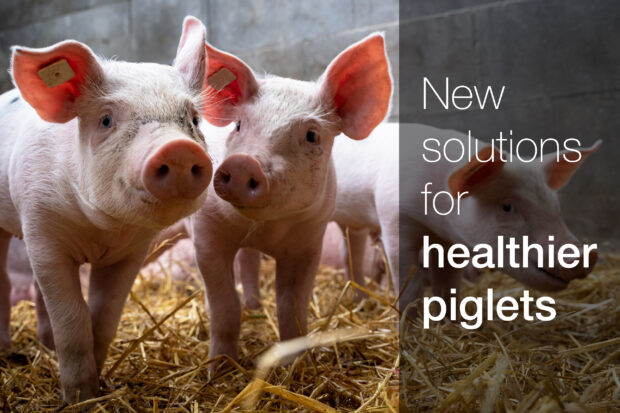
Weaning is a challenging life-stage for growing pigs. Zinc oxide (ZnO, a chemical compound containing zinc, used in pig feed) had been widely used in the critical post-weaning period to help control a common and sometimes serious disease known as post-weaning diarrhoea (PWD). In recent years, pig producers across the United Kingdom (UK) and Europe have responded to a major change: the withdrawal of ZnO at therapeutic levels (medical doses of zinc) from pig feed. There is growing interest in understanding what this change means for pig health, the effect on antimicrobial resistance (AMR), and production systems.
That is where the ZINCLESS project comes in.
This project will explore the “Intended and unintended consequences of the ZnO ban from pig diets on antimicrobial resistance, post-weaning diarrhoea and the microbiome”. Funded by a £1.1m Biotechnology and Biological Sciences Research Council (BBSRC) Responsive Mode award (building on a £200k BBSRC priming partnership), it is being delivered by a cross-institutional consortium led by the Roslin Institute, and includes Queen’s University Belfast (QUB), Animal and Plant Health Agency (APHA), and Scotland’s Rural College (SRUC). The consortium also includes an industrial partner, feed company AB Neo, who are providing financial support and academic partners at the University of Surrey and Edinburgh Napier University.
Following on from an initial pilot study in 2021 - 2022, the ZINCLESS project is running from March 2024 to February 2027, and is structured into four work packages with the overall aim “to advance knowledge and drive collaboration to explore how ZnO removal from pig diet affects gut health, antimicrobial resistance, and the microbiome” (ZINCLESS | ZnO withdrawal). Its timing means it is well placed to compare the situation before and after zinc oxide withdrawal.
ZINCLESS is looking at several linked questions across four work packages (WPs):
WP1 Objectives
- How does ZnO withdrawal affect reported PWD, pathogen prevalence (ETEC; Rotavirus) and antimicrobial usage in commercial UK herds?
- Does ZnO withdrawal result in changes to the composition of the microbiome (the community of microorganisms present), and in the diversity and abundance of AMR and metal resistance genes in the metagenome (all genetic material from microorganisms present in a sample)?
WP2 Objectives
- Can beneficial bacteria stimulated by ZnO supplementation at therapeutic levels be identified, to inform on potential alternative preventions?
WP3 Objectives
- Does ZnO removal alter the genomic characteristics and diversity of circulating enterotoxigenic Escherichia coli (ETEC) (type of E. coli that produces toxins causing disease), AMR genes and mobile genetic elements (pieces of DNA that can move between different bacteria)?
- Building on WP1 metagenomic surveillance, undertake targeted analysis of E. coli (including ETEC) to determine whether ZnO withdrawal is associated with changes in strain diversity, genomic content, AMR determinants, and mobile genetic elements at the organism level.
WP4 Objectives
- Stakeholder engagement and translational activities to promote two-way knowledge exchange and industry discussion of research findings.
What is post-weaning diarrhoea?
Post-weaning diarrhoea (PWD) is a condition that affects piglets shortly after they are weaned from their mother.
In the UK, commercially reared piglets are usually weaned at around four weeks of age. During this period, they may experience multiple concurrent changes, including separation from the sow, mixing with piglets from other litters, and, in some cases, transport to a different farm. This is often accompanied by changes in feeding form and environment. These combined stressors occur at a time when the immune and gastrointestinal systems are still maturing.
This creates an opportunity for certain bacteria to cause disease. One of the main culprits is a type of Escherichia coli called enterotoxigenic E. coli, or ETEC. These bacteria have special features that allow them to attach to the piglet’s gut and produce toxins that damage the intestinal lining.
The result can be severe diarrhoea, dehydration, poor growth and, in serious cases, death. As well as being a major animal welfare concern, PWD can have a significant economic impact for pig producers.
A future without ZnO
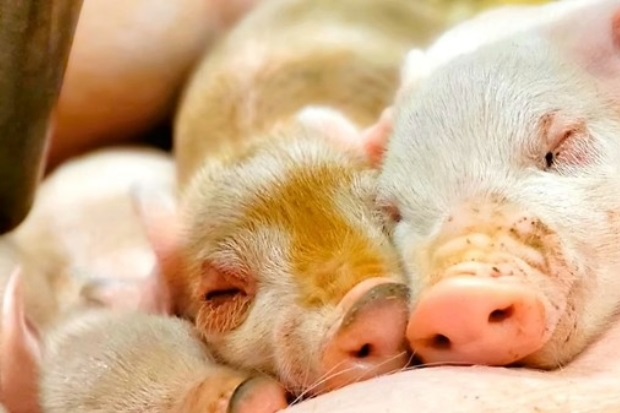
With ZnO no longer available in pig diets at therapeutic levels, many farmers and vets are understandably concerned about managing the risks of PWD. At the same time, there is a strong desire to reduce antimicrobial use by finding sustainable alternatives.
The ZINCLESS project was set up to address these questions directly. By studying pigs on farms before and after the removal of ZnO, the project aims to build a clear picture of how pig health, bacterial populations and antimicrobial resistance patterns change.
So, what have we been up to?
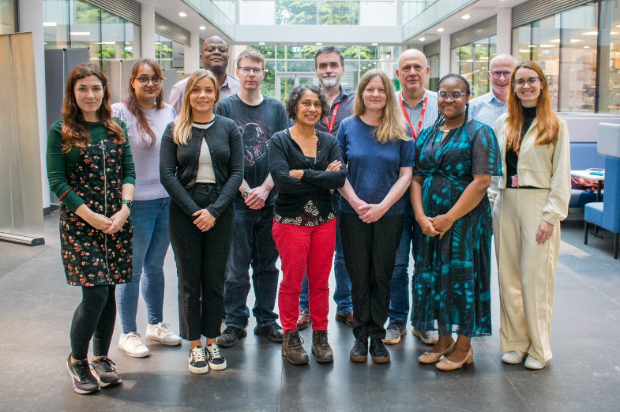
ZINCLESS is very much a team effort. Since the project began, researchers from the collaborating organisations have been meeting regularly to share progress, discuss early findings and plan the next steps.
The consortium brings together people with very different backgrounds, including microbiologists with expertise in bioinformatics and molecular biology, pig specialists and vets, social scientists and our industrial partner, AB Neo, who specialise in early-life livestock nutrition. This combination is important, because PWD is not just a laboratory problem. It is something that affects animals on farms, the people who care for them, and the wider pig industry.
At our consortium meetings, we have been discussing our findings from samples collected from farms, comparing approaches, and making sure the work being completed across different sites fits together. This work takes place against a background of change for the UK’s pig producers as they adjust to the withdrawal of ZnO. Through the consortium’s industry contacts and stakeholder networks, we actively seek to encourage knowledge exchange, share emerging findings and respond to feedback.
Having these regular discussions helps keep the project focused on the bigger picture, rather than each group working in isolation. Microbiology labs at APHA, QUB and the Roslin Institute are working very closely together to analyse samples, ensuring consistency across the project.
How is APHA contributing?
At APHA, our Bacteriology team plays a key role in the ZINCLESS project. Scientists including Jade Davies, Jas Tiwana, Manal AbuOun and Muna Anjum are involved in detecting and characterising ETEC from samples collected on pig farms.
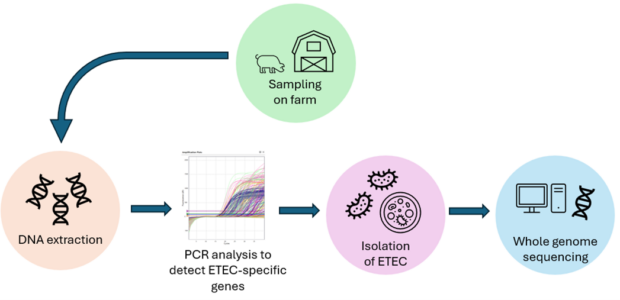
Between 2022 to 2025, the project collected around 3,000 pen-floor faecal samples from 23 farms, before and during a 12-month period following withdrawal ZnO in each herd. These samples are stored in a frozen biobank at the Roslin Institute and extracted DNA from the samples are sent to APHA for analysis. We use a Polymerase Chain Reaction (PCR) (laboratory technique to rapidly copy and amplify specific pieces of DNA) method that allows us to reliably identify which samples contain ETEC. The results from this screening have helped our collaborators at the Roslin Institute select the most relevant faecal samples from the biobank to target for bacterial isolation.
Once ETEC bacteria have been successfully isolated by the Roslin team, APHA will carry out whole genome sequencing. APHA has extensive expertise and specialist facilities for this type of analysis. Whole genome sequencing enables us to examine the full genetic makeup of each bacterial isolate or strain type and identify the genes it carries.
By comparing ETEC strains isolated from samples from diseased pigs with commensal E. coli strains from non-diseased pigs, we can begin to understand what genetic features are associated with infection. We will be able to compare genetic relatedness, virulence gene profiles (genes with ability to cause disease) and AMR gene profiles of ETEC strains with commensal E. coli in commercial herds during ZnO withdrawal, to understand if plasmids (mobile genetic elements) associated with specific phylogenetic backgrounds (groupings of organisms that are closely related) of ETEC versus commensal E. coli.
Looking ahead
The withdrawal of ZnO represents a significant change for pig production, but it also provides an opportunity. By improving our understanding of post-weaning diarrhoea, antimicrobial resistance and the pig gut microbiome, projects like ZINCLESS can help identify more sustainable ways to manage the newly weaned piglet.
Through collaboration, shared expertise and close engagement with the farming community, APHA and its partners aim to generate evidence that supports both animal welfare and the long-term resilience of the pig industry.
View the project’s website here.
Stay up to date with the project process on LinkedIn.
Recent Comments