
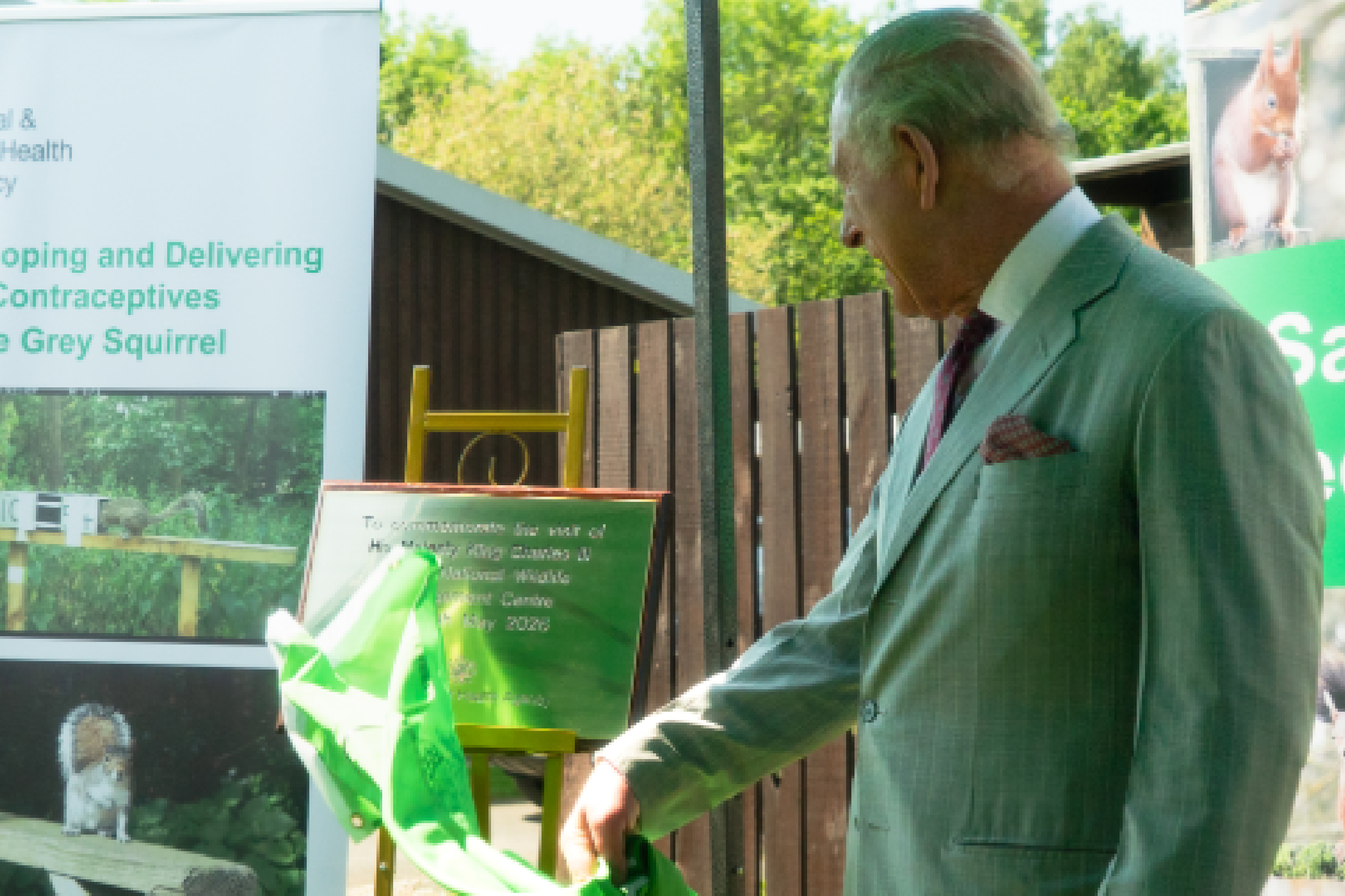
At APHA, our scientists work on some of the United Kingdom's (UK) most complex wildlife challenges, bringing together expertise from ecology, animal health, engineering and mathematical modelling. Earlier this year, we were delighted to share one such project with a very special visitor when His Majesty The King visited our laboratories at Sand Hutton to learn more about our pioneering research to develop an oral contraceptive for grey squirrels.
The visit provided a valuable opportunity to showcase how science can support conservation and help protect one of Britain's most cherished native species, the red squirrel. As Patron of the Red Squirrel Survival Trust, The King has a real interest in the long-term survival of this native, endangered mammal.
Tackling a long-standing conservation challenge
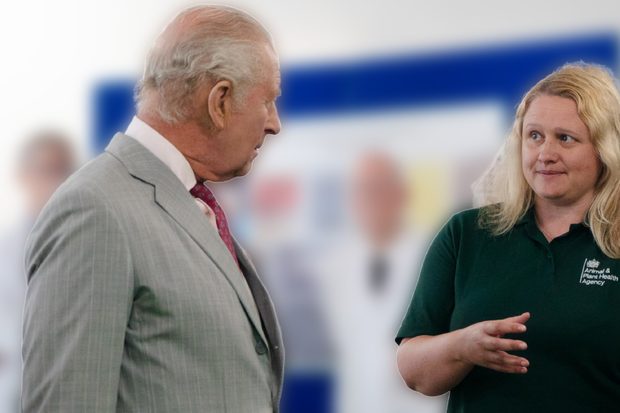
Red squirrels are an iconic part of the UK's natural heritage, but their populations have declined significantly over the last century. One of the major factors contributing to this decline has been the introduction and spread of the non-native grey squirrel.
Grey squirrels compete with red squirrels for food and habitat and can also carry squirrelpox virus, which has a devastating effect on red squirrel populations. As a result, red squirrels are now largely restricted to a few strongholds across the UK, while grey squirrels remain widespread. Grey squirrels also bark strip young broadleaf trees, negatively affecting woodland ecosystems.
Conservation organisations, land managers and volunteers have worked tirelessly for decades to protect remaining red squirrel populations. At APHA, we are contributing to these efforts through research into innovative, humane and sustainable wildlife management solutions.
One promising area of research, which we have blogged about previously, is the development of fertility control as a tool for population management. Funded by the UK Squirrel Accord and supporters, the current project is working an oral contraceptive specifically designed for grey squirrels. The aim is to reduce grey squirrel populations over time by limiting reproduction, helping to ease pressure on native red squirrels and support woodland biodiversity.
Royal interest in conservation science
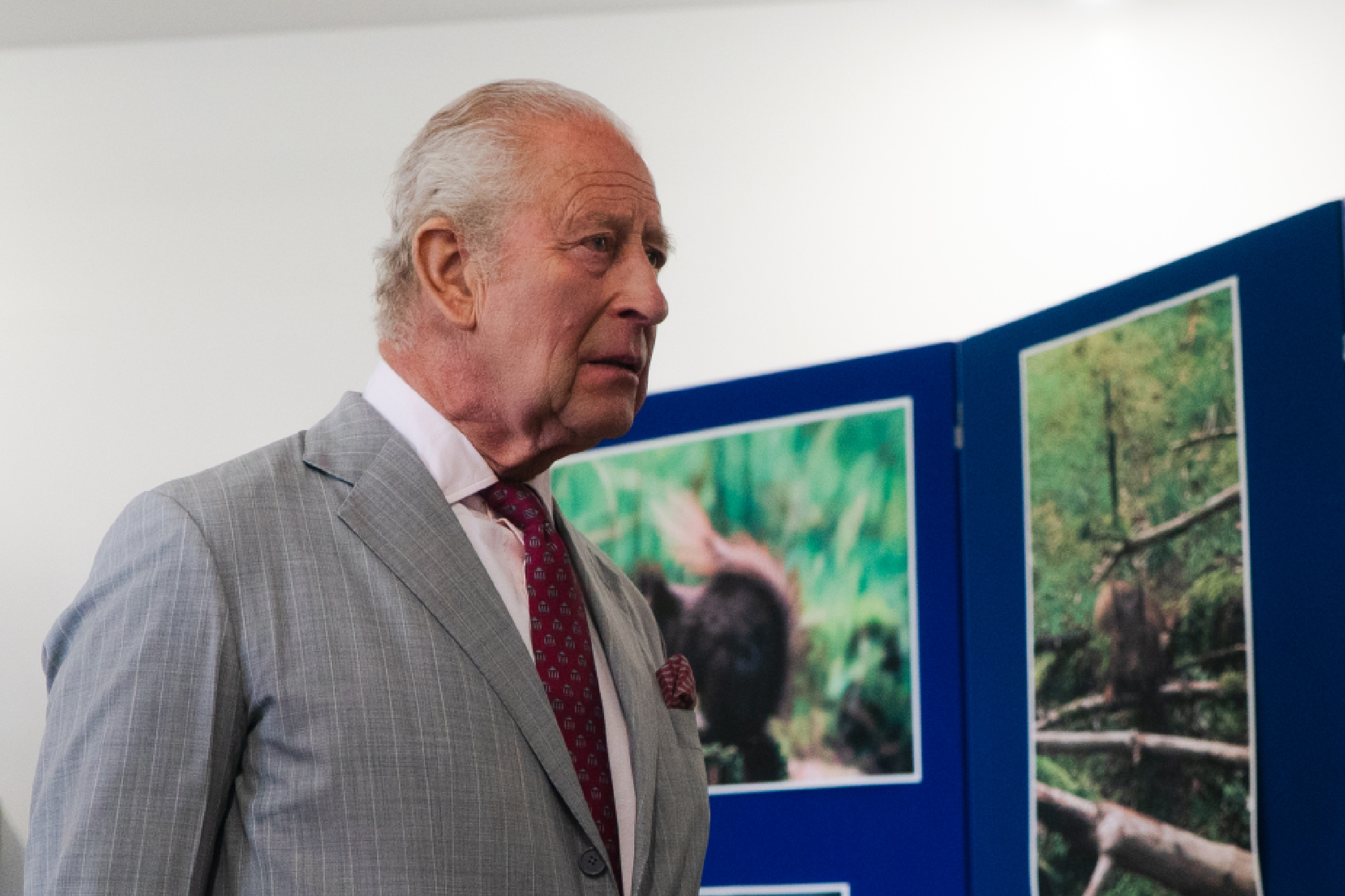
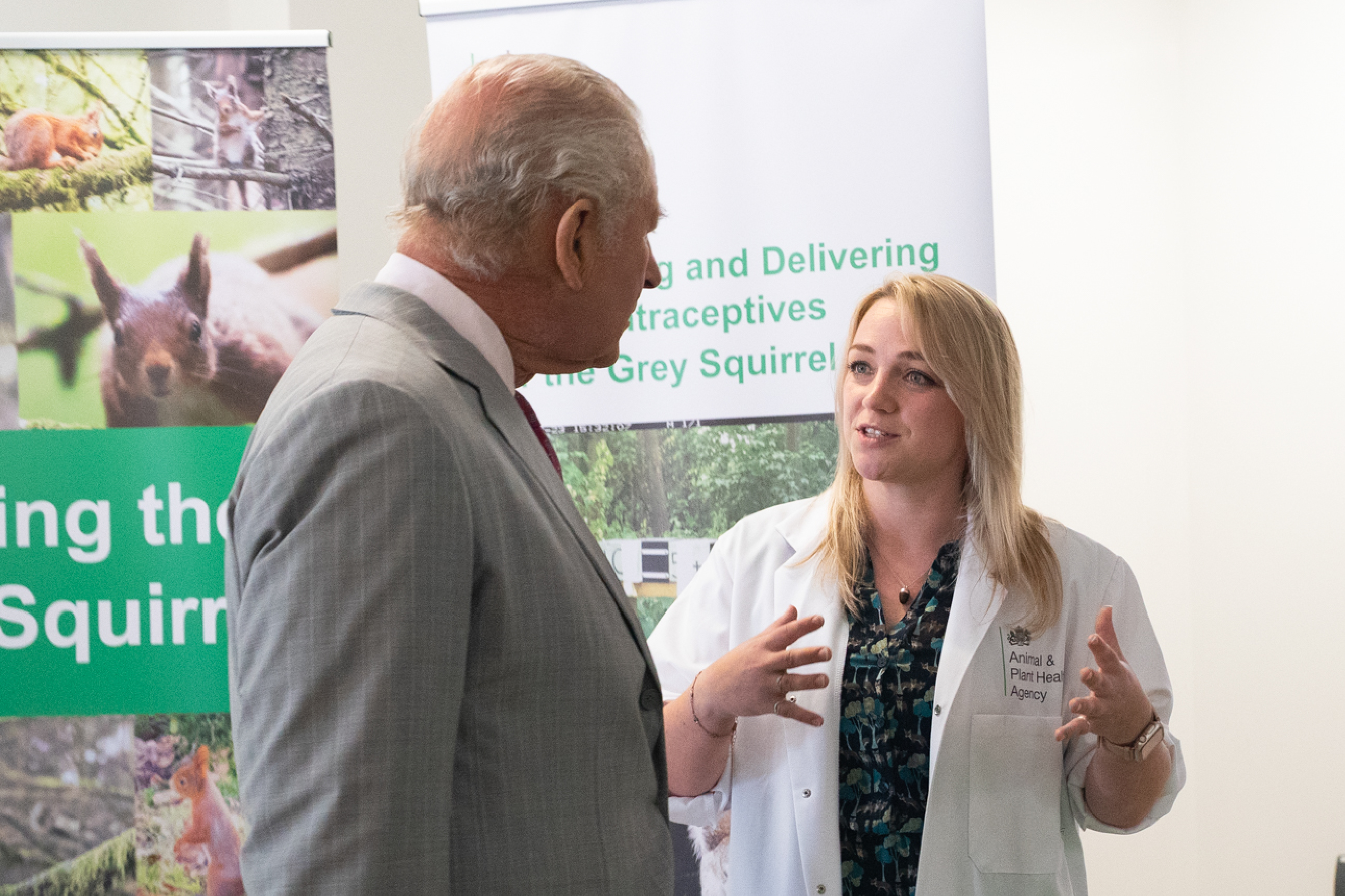
During his visit to Sand Hutton, His Majesty met the scientists leading this important programme of work, and representatives of the UK Squirrel Accord providing funding and oversight. The King showed a genuine interest in both the science behind the contraceptive and the challenges associated with translating laboratory research into a practical conservation tool.
Members of the research team discussed the scientific principles underpinning the project, the extensive testing and evaluation required, and the importance of ensuring that any contraceptive delivery system is both effective and species-specific.
The King's thoughtful questions reflected his long-standing interest in environmental issues and wildlife conservation. Throughout the visit, he spent time engaging with scientists from across the programme, learning about the different disciplines contributing to its development.
For our researchers, it was a welcome opportunity to explain how evidence-based science can play a key role in addressing complex ecological challenges and supporting conservation goals.
Innovation beyond the laboratory
Developing an effective wildlife contraceptive requires much more than laboratory science. It also depends on innovative engineering and practical field solutions.
As part of the visit, The King met APHA field workers responsible for designing and testing the bespoke feeding hoppers used to deliver the contraceptive in the field. These specially developed species-specific feeders are a crucial element of the project.
The challenge is to create a system that allows grey squirrels access to the contraceptive bait while minimising access by other wildlife species. Achieving this requires careful design, extensive field testing and continual refinement.
The King's discussions with colleagues highlighted the importance of combining scientific research with practical expertise. From designing feeding systems to monitoring their performance in real-world conditions, every stage of the programme depends on collaboration between specialists from different fields.
Using modelling to understand long-term impacts
The visit also provided an opportunity to showcase the work of APHA's modelling team.
Mathematical modelling plays a vital role in understanding how wildlife populations may respond to different management approaches over time. By analysing data and exploring a range of possible scenarios, researchers can assess the potential long-term effects of the contraceptive programme on squirrel populations and woodland ecosystems.
These models help scientists answer important questions. How quickly might grey squirrel populations respond? What impact could population changes have on red squirrels? How might woodland habitats benefit over time?
By providing evidence-based projections, modelling helps inform decision-making and supports the responsible development of new conservation tools.
The visit provided an opportunity to showcase the value of bringing together multiple scientific disciplines to address environmental challenges.
Recognising the role of volunteers
While science is central to conservation, it is only one part of the picture.

During the visit, His Majesty also met some of the dedicated volunteers who contribute so much to red squirrel conservation efforts across the country. Through monitoring populations, surveying habitats, raising awareness and supporting local conservation initiatives, volunteers play an essential role in protecting red squirrel strongholds.
Their passion, commitment and knowledge have helped sustain conservation programmes over many years. These efforts clearly resonated with The King, who has been a longstanding supporter of red squirrel conservation.
The meeting offered a valuable opportunity to recognise the contribution of the many individuals and organisations working together to safeguard the future of this much-loved species.
A memorable day for APHA
The visit concluded with the unveiling of a commemorative plaque marking the occasion.
As a lasting memento of the day, Erin Thomas, a field ecologist from the APHA Wildlife team, presented His Majesty with a picture of a red squirrel. The gift reflected both the conservation focus of the visit and the dedication of the many people involved in protecting the species.
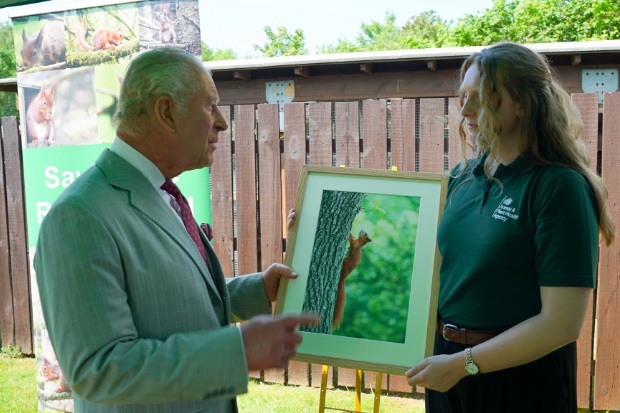
For everyone involved, the visit was a proud moment and a welcome recognition of the innovative work being carried out at APHA. It also served as a reminder of the importance of collaboration between scientists, field specialists, conservation organisations and volunteers in tackling environmental challenges.
As research into the grey squirrel contraceptive continues, APHA remains committed to developing science-based solutions that support wildlife conservation and help protect the UK's native species. His Majesty's visit provided an invaluable opportunity to highlight this work and to celebrate the dedication of the teams helping to shape a more sustainable future for our natural environment.
Bex Pinkham on the grey squirrel contraceptive project
In this short video, Bex Pinkham, APHA wildlife biologist, shares an overview of our pioneering grey squirrel contraceptive project and explains how science is helping support the long-term recovery of the UK's native red squirrel population.
Leave a comment