
Using models to evaluate policies
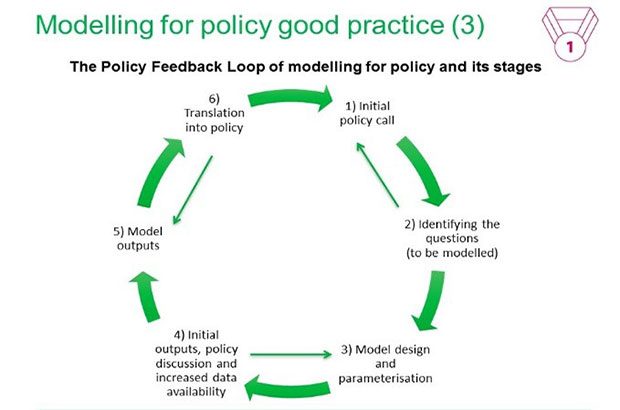
...monitoring infection in animals. Q & A session The meeting was brought to a close by APHA’s Helen Roberts in an interesting final question and answer session for the audience...
...monitoring infection in animals. Q & A session The meeting was brought to a close by APHA’s Helen Roberts in an interesting final question and answer session for the audience...
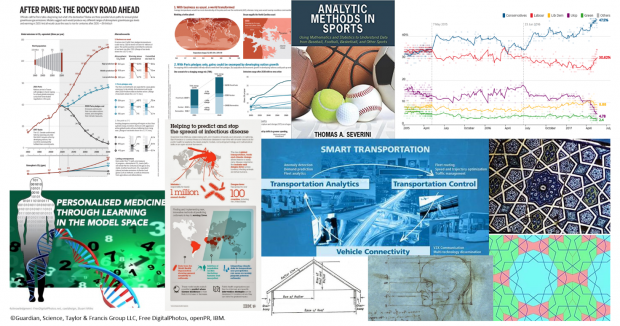
April is Mathematics and Statistics Awareness month! Charlotte Cook and Flavie Vial share with us one of the many ways mathematics is used within APHA to inform decision-making.

Continuing our celebrating votes for women series, Flavie Vial, an APHA statistician, explores the achievements over the last 100 years of the many women scientists within APHA and its predecessors. This blog looks at the early years (1930-1949).
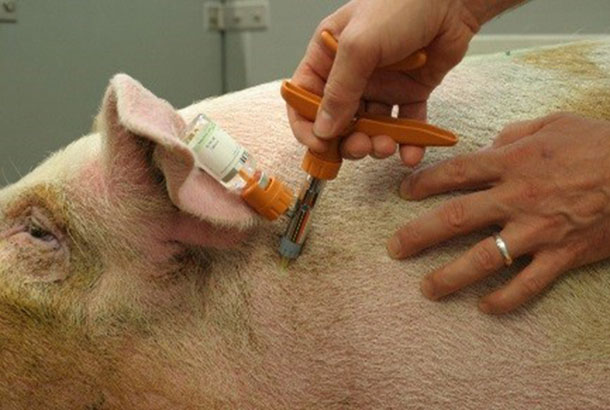
Richard Smith, lead APHA analytical epidemiologist, talks about APHA’s 3 year study of Salmonella in pigs.

As part of a series of blogs celebrating votes for women, our female scientists at the National Wildlife Management Centre tell us about their achievements during their careers, many of which would have been unthinkable 100 years ago.
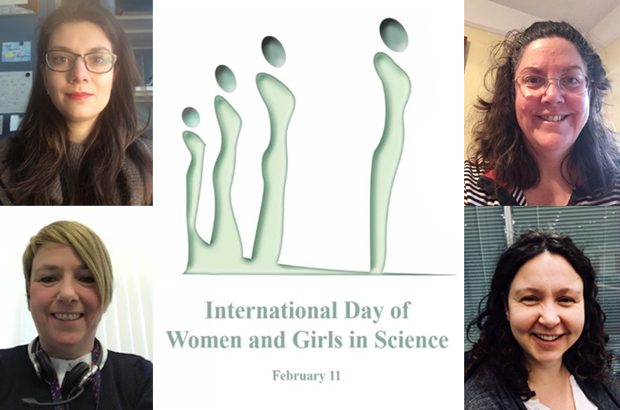
11 February marks International Day of Women and Girls in Science, and we are celebrating the event by hearing from some of our scientists here at APHA, working to safeguard animal and plant health for the benefit of people, the environment and the economy.
Sharon Brookes, Head of Avian Virology and Mammalian Influenza at APHA, talks about our involvement in the new DELTA-FLU project funded by the EU.
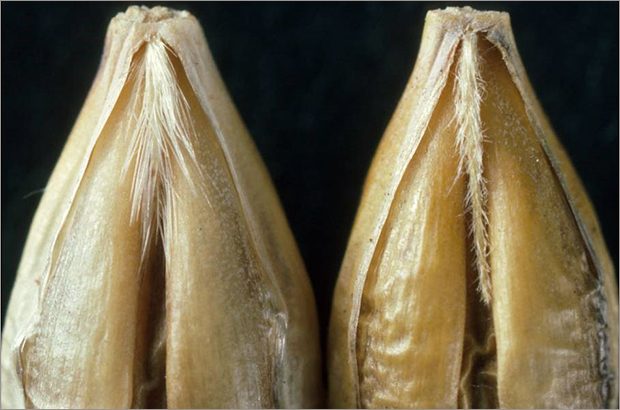
What links APHA, Carl Linnaeus, Charles Darwin and hairy rachillas? Mara Ramans, Head of APHA's Plant Variety and Seeds team, explains...
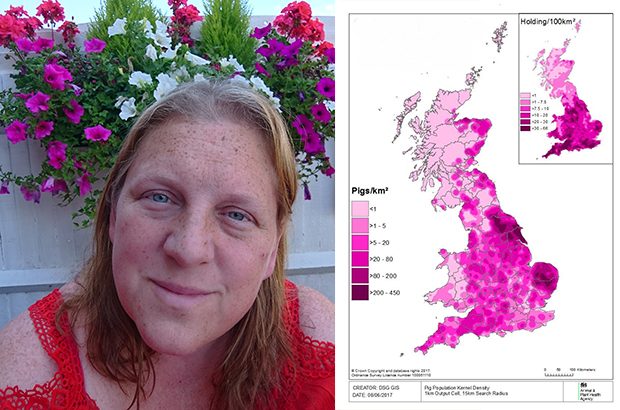
Maps of livestock populations across Great Britain produced by APHA’s Livestock Demographic Data Groups (LDDGs) have been externally published for the first time. Jane Tennant, from APHA's Science, Strategy & Planning team, talks about their relevance and current work being done by the LDDG groups.
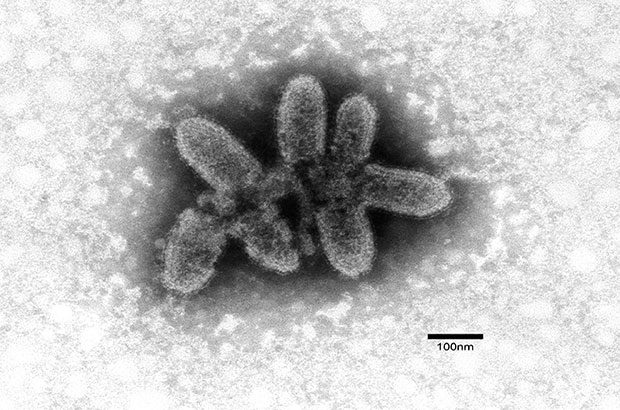
Tony Fooks discusses the work that our scientists are doing as part of our remit as an OIE Reference Laboratory and WHO Collaborating Centre for controlling rabies globally and preventing the risk of rabies reintroduction to the UK.
Recent Comments